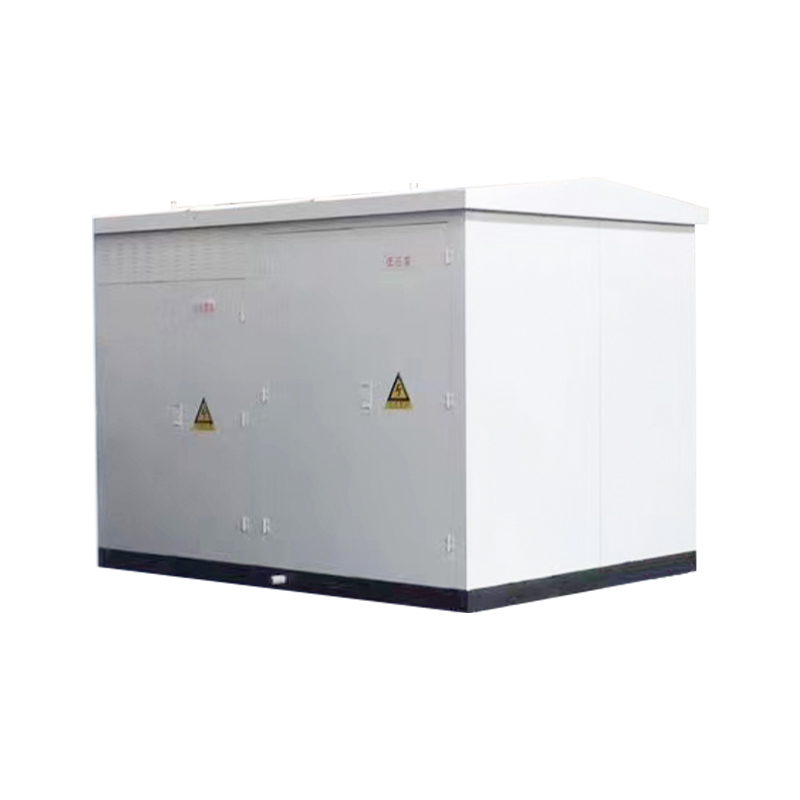
Kabinet tipe gardu prefabrikasi outdoor
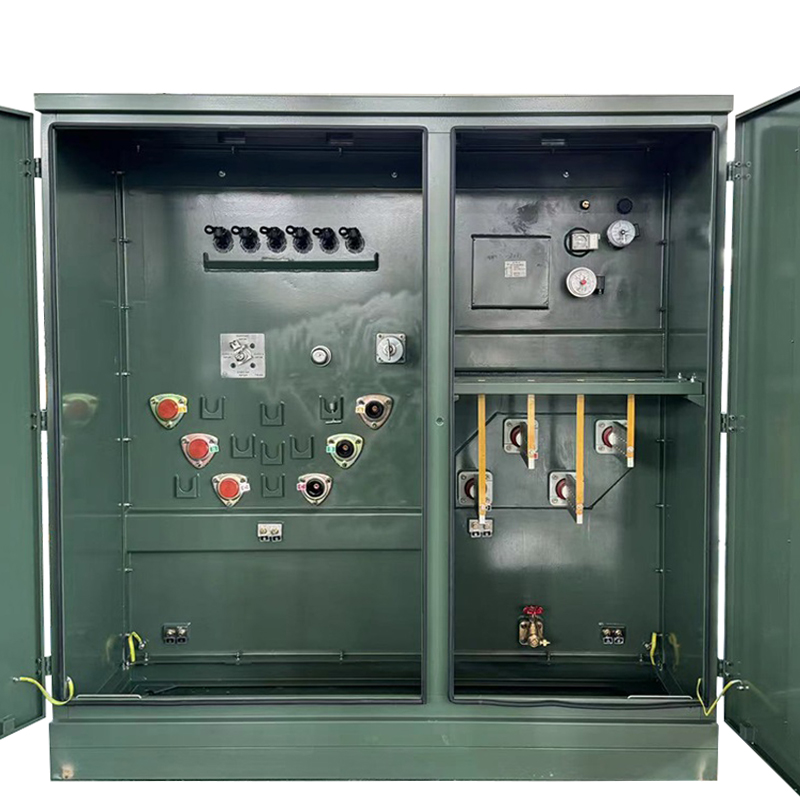
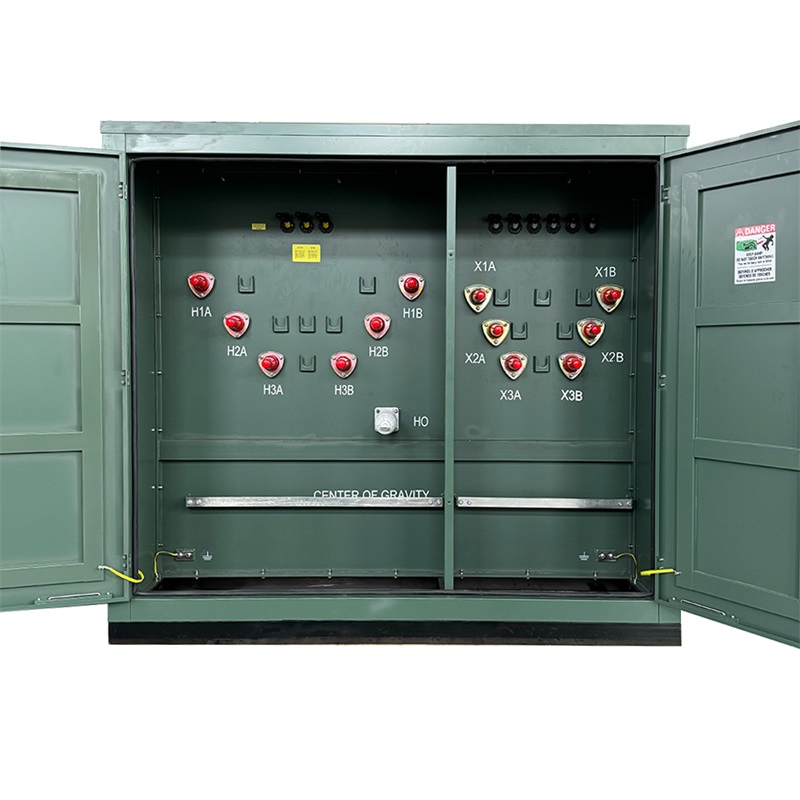
Gardu prefabrikasi outdoor tipe kabinet, yang merupakan solusi distribusi listrik all-in-one yang ringkas yang dirancang untuk pemasangan luar ruan...
Lihat Detail
Install an oil-filled transformer indoors — in a basement, under a sidewalk, or on an electrical level of a high-rise — and the first question an inspector or utility engineer will ask is not about the transformer at all. It is about the vault. A transformer vault is the reinforced, fire-rated concrete enclosure that makes liquid-filled transformers acceptable in locations where an outdoor pad is impossible. With a properly designed vault, oil-cooled equipment can serve dense urban loads safely for decades; without one, most codes push you toward outdoor placement or a dry-type alternative. This guide explains what a vault is, where it earns its cost, which design requirements dominate the budget, and how to specify equipment for the space.
A transformer vault is a dedicated room or underground chamber, built of reinforced concrete, that houses liquid-filled power transformers together with associated equipment such as network protectors, voltage regulators, circuit breakers, and metering. In utility practice, vaults beneath streets and sidewalks host the transformers and network protectors of secondary grid networks in dense city centers. In private buildings, the vault is the mechanism that allows an oil-insulated transformer indoors: because the cooling liquid is combustible, the enclosure must provide fire separation, oil containment, and controlled ventilation.
Two features distinguish a vault from an ordinary electrical room. First, it is a fire-rated barrier — North American practice under NEC Article 450 generally requires three-hour fire resistance for vaults containing oil-filled transformers, with reduced ratings permitted in fully sprinklered buildings. Second, it is designed for the worst credible event: a gasket failure or internal fault that releases the full oil charge, with sprinkler water arriving on top of it. Every major design decision inside the vault flows from these two responsibilities.
The economics are straightforward: a vault is expensive civil works, so it is justified wherever an outdoor transformer pad is unavailable or unacceptable. You will find vaults in four recurring situations.
In each case the deciding question is the same: does the value of placing a liquid-filled transformer at that location exceed the cost of a rated, oil-tight, ventilated enclosure? For urban load centers, the answer is usually yes.
Four requirements account for most of a vault's cost and most of its rework risk. Address them before the transformer order is finalized.
Vaults under roadways are designed for vehicle loads, commonly to AASHTO HS-20 traffic loading in North America, plus earth and groundwater pressure. Roof slabs, hatches, and frame details must match the load class, and waterproofing membranes or waterstops are standard below the water table. An underspecified roof or hatch is among the most disruptive failures possible, because repairs mean closing a street.
Transformer losses leave the windings as heat, and a sealed concrete room gives that heat nowhere to go. A 1,000 kVA oil-immersed transformer with total losses around 1.5% adds roughly 15 kW of heat continuously at rated load; in a small vault, air temperature can climb quickly enough to trip thermal alarms or shorten insulation life. Designers typically provide low-level intake louvers and high-level exhaust, sized so the ambient rise stays within the temperature-rise margin of the equipment, with thermostatically controlled fans where natural airflow is insufficient.
The containment rule of thumb is to capture the full oil volume of the largest unit plus the water from any suppression system — often calculated at 110% to 133% of oil volume. Sumps receive oil-tolerant coatings, combustible materials inside the vault are minimized, and fire-rated doors, dampers, and penetration seals preserve the enclosure rating while smoke and heat detection ties into the building alarm.
Water is the vault's quiet enemy. Sump pumps with float or leak sensors keep groundwater and condensate under control, and periodic testing confirms the pump still runs. For access, provide a route for the heaviest replaceable component — often a hatch with lifting eyes or removable roof sections — and maintain code working clearances around live parts so technicians can test the unit without improvising.
Most projects choose among three installation strategies. The table below compares them on the factors that actually decide procurement.
| Consideration | Transformer Vault | Pad-Mounted Installation | Prefabricated Substation |
|---|---|---|---|
| Placement | Indoors or below grade | Outdoors at grade | Outdoors, factory-built |
| Equipment type | Liquid-filled or dry-type | Sealed liquid-filled tank | Transformer plus switchgear, prewired |
| Fire protection burden | High: rated enclosure and oil containment | Low: isolated outdoor location | Moderate: integrated enclosure design |
| Civil works cost | Highest: excavation, concrete, waterproofing | Lowest: simple pad and trenching | Moderate: foundation plus delivery logistics |
| Maintenance access | Confined-space procedures | Direct, drive-up access | Wide doors, walk-in in some designs |
| Best fit | Dense urban cores, building basements | Suburbs and commercial perimeters | Fast-deployment sites, ports, communities |
The pattern is consistent: when outdoor space exists, pad-mounted or prefabricated equipment is cheaper and faster; when it does not, the vault is the price of admission.
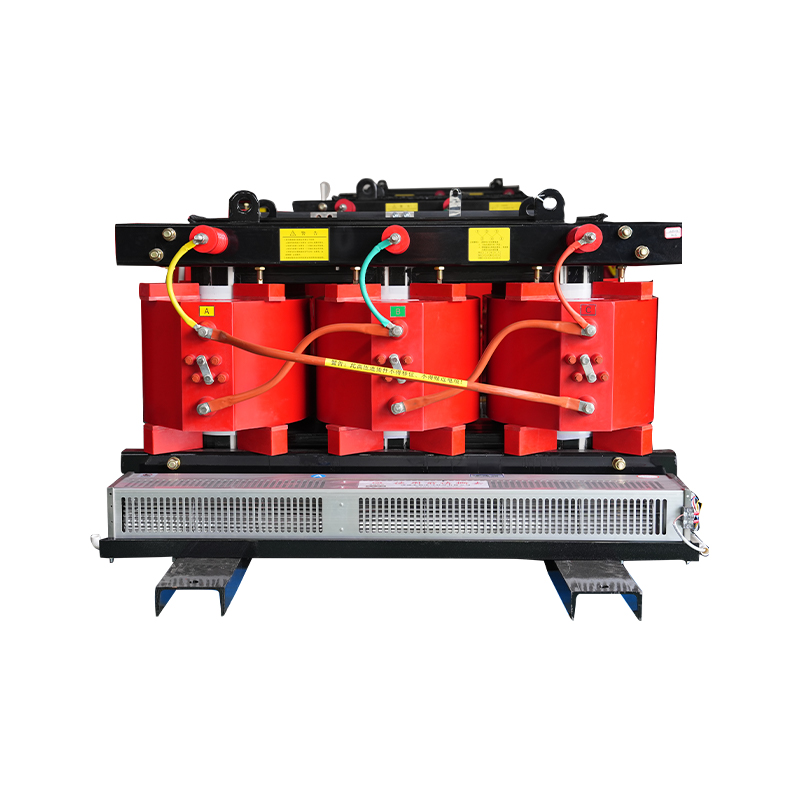
Once the vault concept is fixed, equipment choices should be made against it, not the other way around. For the transformer itself, oil-immersed transformers remain the default where high efficiency and liquid cooling are needed in a compact footprint, and it is worth reviewing liquid-immersed transformer types and definitions before locking the tank style, because sealed-tank and conservator designs behave differently in confined spaces.
Corrosion matters as much as electrical rating. Vault interiors sit in damp, poorly circulated air, so tanks and enclosures benefit from corrosion-resistant materials; a 304 stainless steel transformer housing is a common upgrade for outdoor and below-grade installations where painted carbon steel would cycle through rust within a few years.
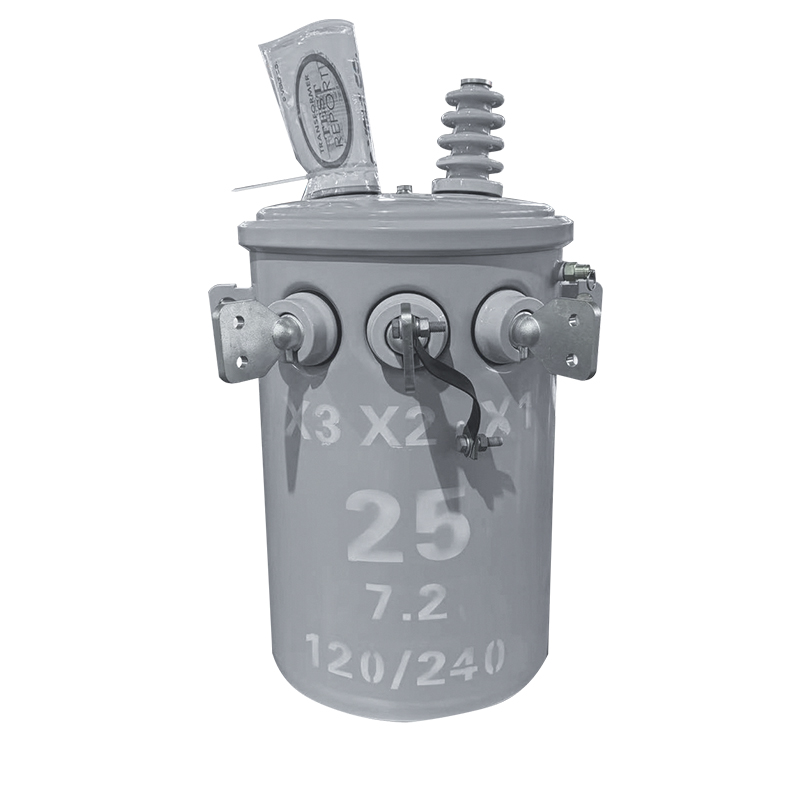
If the site can accommodate any outdoor equipment at all, compare the vault against pad-mounted transformers , which place a sealed, tamper-protected tank at grade and eliminate most civil works. Many projects end up hybrid: a vault where the building forces it, and pad-mounted units everywhere else.
A vault changes the maintenance routine as much as the installation. Ventilation fans and louvers need scheduled checks, because blocked airflow shows up first as rising winding temperatures. Sump pumps and float switches should be exercised periodically — a failed pump discovered after a storm is an expensive lesson. Oil level checks, dissolved gas analysis, and leak inspection follow standard liquid-filled practice, while door and hatch seals, sump condition, and fire-stopping integrity belong on the same inspection round. Treat the vault as a system: enclosure, ventilation, containment, and transformer fail or succeed together.
Handled this way, a transformer vault stops being an afterthought and becomes what it should be: the enabling structure for liquid-filled transformers exactly where the load needs them. Buyers who align enclosure design, ventilation, and containment with the transformer specification at the start of a project consistently avoid the two classic vault failures — overheating and oil containment shortfalls — and keep below-grade equipment in service for its full design life.
Gardu prefabrikasi outdoor tipe kabinet, yang merupakan solusi distribusi listrik all-in-one yang ringkas yang dirancang untuk pemasangan luar ruan...
Lihat Detail
Copyright © Jiangsu Dingxin Electric Co., Ltd. Rights Reserved.

Hubungi kami